

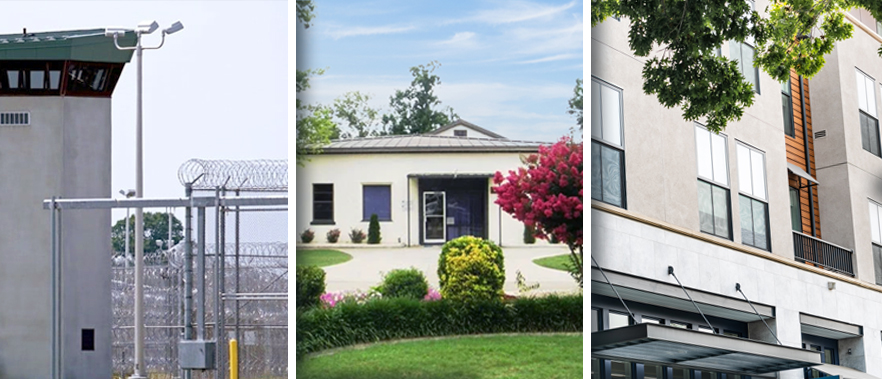
(BOP) - The Federal Bureau of Prisons (BOP) today announced a new initiative in strengthening its commitment to public safety and successful inmate reentry by expanding the strategic use of minimum-security camps as transitional placement sites for individuals preparing to return to their communities.
This effort supports the BOP's core mission of preparing inmates for successful reintegration. By prioritizing placement decisions that reduce recidivism and promote long-term success, this initiative ensures that individuals receive the structure, support, and preparation needed for a safe and effective transition. Intermediate placement in minimum security camps provides a community-like environment while maintaining structured oversight and accountability, an evidence-based approach shown to better prepares inmates for release than direct transitions from higher security institutions.
"Ensuring inmates receive appropriate preparation, structure, and support prior to release is critical to reducing recidivism and enhancing public safety," said Director William K. Marshall III. "By utilizing our camps more effectively, we strengthen family connections, improve access to community resources, and ensure a more seamless transition that benefits both inmates and the communities they return to."
This initiative also reflects responsible stewardship of taxpayer resources. By maximizing the use of existing infrastructure at existing minimum-security camps, many of which have been historically underutilized, the BOP reduces reliance on higher-cost placements, lowers overall operational costs, and ensures a more efficient use of existing capacity.
Implementation Guidance
Effective immediately, institutions will begin transitioning eligible individuals to minimum-security facilities (Camps) once they have received a Residential Reentry Center (RRC) or Home Confinement (HC) placement date. These transfers must be completed in accordance with Program Statement 5100.08 CN-3, Inmate Security Designation and Custody Classification.
While the initiative applies to approved individuals across security levels, initial implementation will prioritize those currently housed in low security facilities who are appropriate for camp placement.
Individuals not eligible for camp placement include:
- sex offenders
- deportable aliens
- Disruptive Group members
- Domestic or international terrorists
- inmates requiring heightened monitoring
- inmates with recent serious misconduct
- cases where placement would pose any identifiable risk to public safety
"Through diligent adherence to these procedures, we will continue to fulfill our statutory obligations while advancing our rehabilitative mission," Director Marshall said. "I thank our dedicated staff for their commitment to the safety, security, and the successful reintegration of those in our custody.”
The Federal Bureau of Prisons is committed to evidence-based correctional practices that support safe communities, reduce recidivism, and promote successful reentry. This initiative reflects the agency’s ongoing efforts to modernize operations, strengthen rehabilitation, and responsibly manage federal resources.